
Hotel Furniture Trends 2027: What European Hoteliers Are Asking For
Hotel furniture is no longer judged only by how it looks in a render. European hoteliers and procurement teams planning hotel furniture for 2027 are asking harder questions about how a piece will age, how it can be maintained by housekeeping, what it is made from, and whether it can be adapted without a full replacement. At LISNS, these questions shape our work as a contract furniture manufacturer. This article summarises the recurring themes in specifications and factory discussions across European projects.
Material Direction: Warm, Durable, and Easier to Maintain
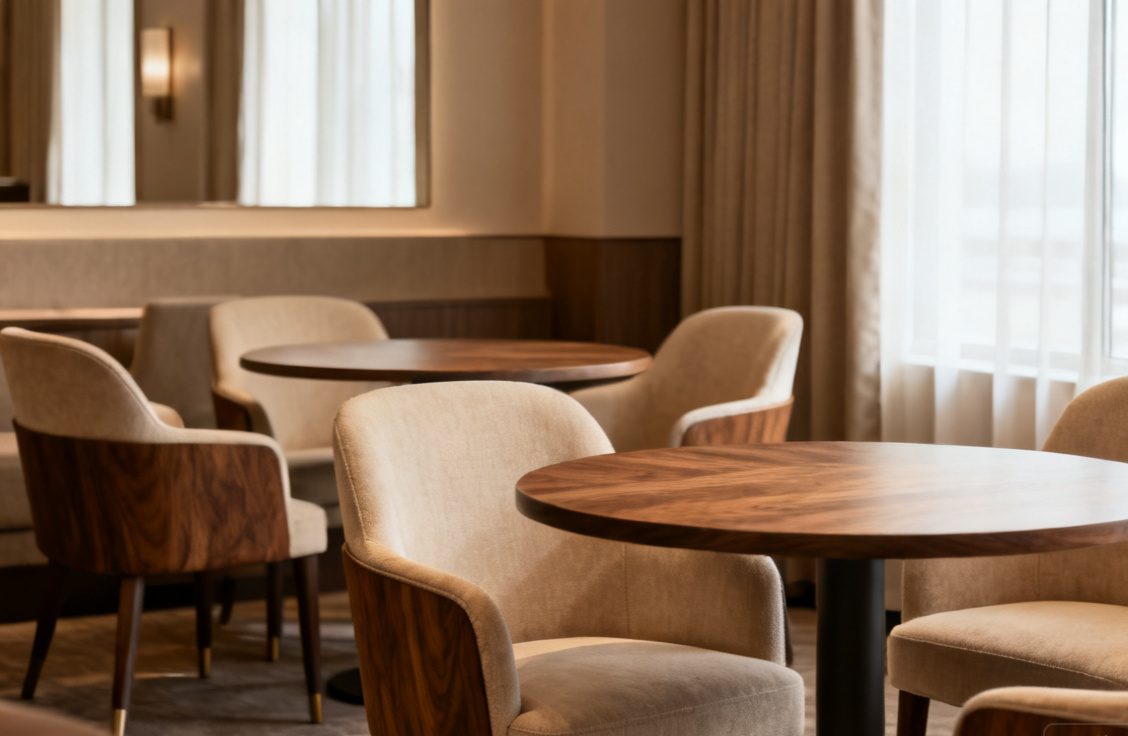
Across many European markets, the visual centre of the room is moving away from high-gloss surfaces and cold monochrome palettes. Specifiers are instead asking for finishes that feel closer to residential design while still meeting the demands of hotel use. The most common request is a matte or low-sheen surface that conceals daily wear better than polished lacquer.
In practice, this means more textured wood, brushed metal, and powder-coated frames. The material choices are not purely aesthetic. Housekeeping teams influence procurement, and they consistently ask for edges that are easy to wipe, upholstery that can be spot-cleaned, and surfaces that do not show fingerprints or scratches after the first season.
- Matte and low-sheen finishes that hide minor wear and reduce glare
- Engineered wood panels with balanced stability for changing indoor humidity
- Performance upholstery with stain resistance and removable covers
- Metal details in brushed brass or blackened steel used as structure rather than decoration
Colour Shift: Earth Tones, Muted Greens, and Layered Neutrals
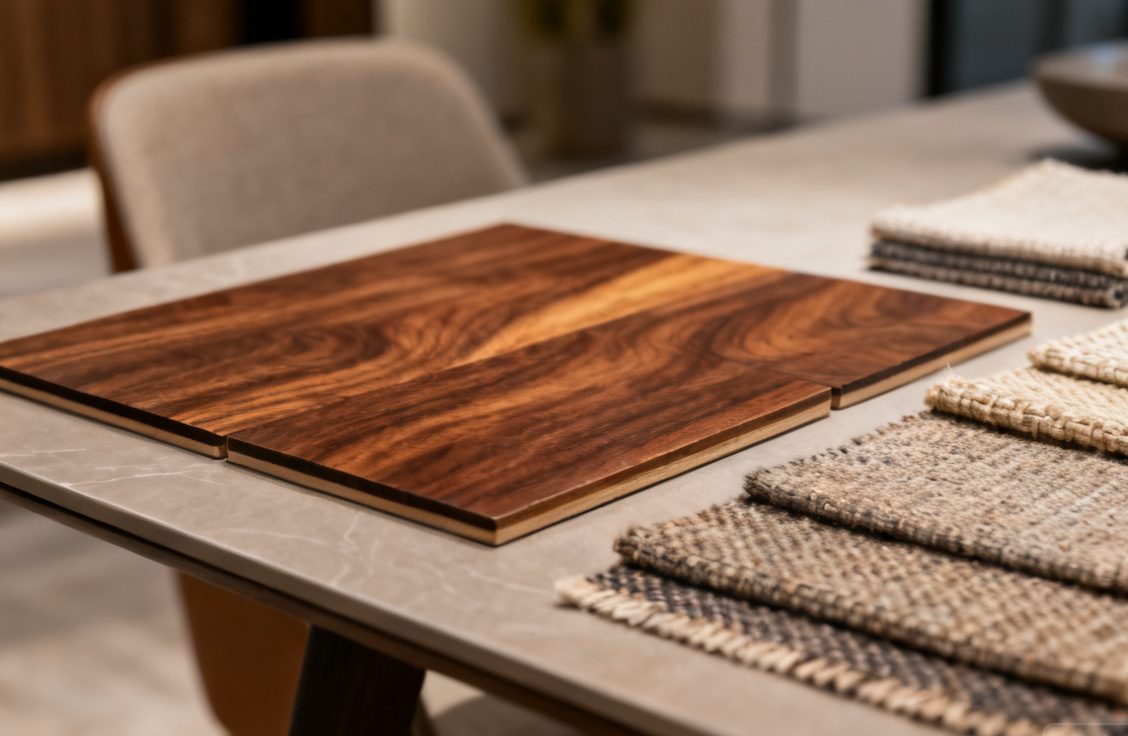
Grey as a dominant colour is giving way to layered neutrals and muted natural tones. We see more requests for warm greige, soft clay, olive, and deep blue as accent colours. The goal is not to make every room identical across Europe; it is to create a calm backdrop that works with local artwork, textiles, and lighting.
Many hoteliers are using colour to separate public spaces from guestrooms. Public areas may take slightly stronger accent tones, while guestrooms remain quieter and more residential. This allows the furniture to support the architecture rather than compete with it.
- Warm neutrals as the base for casegoods and beds
- Muted greens and clays for lounge and dining chairs
- Deep blue or charcoal as a controlled accent on headboards or side panels
- Reduced reliance on pure white and cool grey, which can feel institutional
Functional Priorities: Flexibility Without Compromise
European procurement teams are less interested in furniture that can only perform one function in one position. They ask for pieces that can be moved, reconfigured, or refreshed during low season. This is particularly true for boutique hotels and properties with multi-use lobbies, co-working corners, and small meeting areas.
Integrated power and data are still expected, but the preference has shifted toward concealment. Guests want access without visible cable clutter. Furniture therefore needs to accommodate wiring paths while keeping external lines clean. This is easier to achieve when the factory considers cable management from the first drawing rather than as an afterthought.
- Modular seating that can be grouped or separated for events
- Tables with concealed cable access and clean undersides
- Beds with integrated lighting controls and accessible USB points
- Wardrobes with adjustable interiors instead of fixed layouts
Sustainability as a Procurement Requirement, Not a Slogan
Sustainability has moved from marketing language into the pre-qualification stage of hotel furniture tenders. European buyers increasingly ask about material origin, coating chemistry, and end-of-life options before discussing price. This changes how a manufacturer should present a product.
Common requests include documented wood sources, recycled metal content, and finishes with lower solvent levels. There is also a stronger interest in repair. If a chair leg breaks or a wardrobe door delaminates, the hotel team wants to replace that component rather than order a new unit.
- Solid wood and metal components with documented origin and recycled content where possible
- Water-based or low-emission finishing systems that reduce indoor air impact
- Modular components that can be replaced without discarding the whole piece
- Reduced packaging and reusable shipping protection for multi-room deliveries
From specification to aftercare
One notable shift is that sustainability questions now continue past installation. Hoteliers ask whether spare parts will be available several seasons later, whether finishes can be refinished on site, and whether the manufacturer can supply repair kits. This puts pressure on factories to maintain consistent material records and component numbering. It is a logistical discipline as much as an environmental one.
Customisation Without Losing Industrial Control
Hoteliers do not want identical rooms in every property, but they also cannot afford uncontrolled variation across a multi-room order. The most effective approach we see is a standard core with variable finishes, fabrics, and select dimensions. This keeps production repeatable while giving the design team enough freedom to respond to a specific site.
When a client asks for a custom bedside table, the request is usually about proportion, drawer fronts, and finish rather than reinventing the structure. European buyers often bring their own FF&E schedules or interior design packages, so the factory must be able to interpret drawings and align them with manufacturing constraints.
- Finish and fabric choices within a pre-engineered furniture range
- Adaptation of overall dimensions to suit irregular room layouts
- Custom edge profiles and hardware finishes without changing internal construction
- Spare parts and replacement panels kept in the original specification
Advice for Procurement Teams Planning 2027
Based on the conversations we have with European hoteliers, a better furniture outcome usually starts before the first sample. Procurement teams can reduce risk by sharing maintenance routines, housekeeping expectations, and local climate conditions with the factory early. A chair that works in a coastal resort may not behave the same way in a mountain property with underfloor heating.
It also helps to specify performance, not just appearance. Instead of only sending a mood board, include notes on daily use, cleaning chemicals, and expected traffic. This lets the manufacturer propose appropriate materials and joints without compromising the design direction.
- Brief the factory on maintenance chemicals used by housekeeping
- Request physical samples under real lighting, not only digital renders
- Ask about component replacement and long-term spare part support
- Align on packaging and delivery constraints before approving prototypes
At LISNS, we see 2027 hotel furniture not as a single style shift but as a move toward more accountable, maintainable, and adaptable pieces. The brands and properties that plan around these practical questions tend to achieve a more stable rollout and a longer service life. That is where factory experience becomes useful: turning a strong design intent into furniture that can be produced consistently, delivered cleanly, and maintained without unnecessary complexity.

 ®
®