
How Loose Furniture Is Made: Inside a Contract Furniture Workshop
Loose furniture in hotel and residential projects includes chairs, tables, lounge seating, sideboards, nightstands, and other movable pieces specified room by room. Unlike fixed joinery, loose furniture must match approved drawings, arrive on schedule, and require minimal on-site assembly. This article outlines how a contract furniture workshop moves from drawing approval and material selection to machining, quality control, packaging, and delivery.
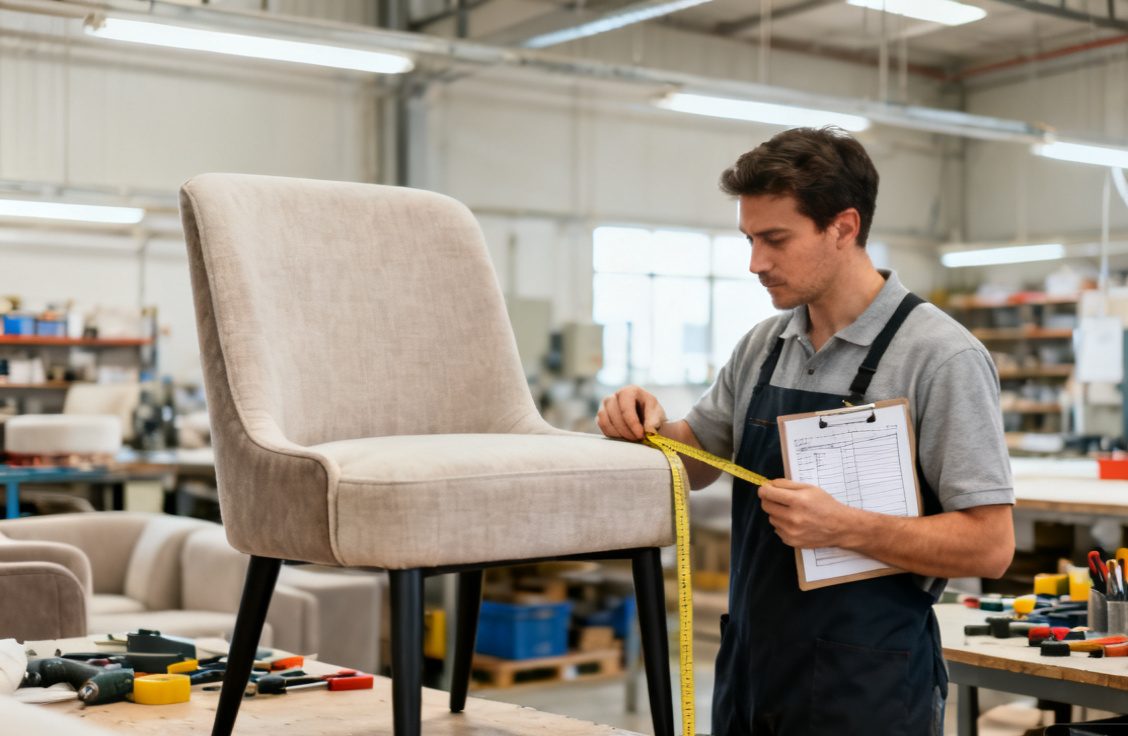
Understanding Loose Furniture in Contract Projects
In contract projects, loose furniture is ordered as individual items rather than built-in millwork. The pieces must fit the designer’s intent, withstand commercial use, and arrive ready to place in guestrooms or public areas. For a factory, the main task is repeatability: making a batch that consistently matches the approved sample. A structured process from drawing to delivery reduces variation and helps the project team coordinate installation with other trades.
Design Drawing and Approval
Production begins with drawings, reference images, or physical samples from the designer or client. The workshop develops shop drawings that translate the design into production details, including construction, material placement, edge profiles, and hardware positions. For complex pieces, a pre-production sample may be built before the full run.
Approval is a formal stage. The project owner, designer, and supplier review shop drawings and samples together, and changes are recorded before production release. No material is cut until approval is confirmed. This avoids misunderstandings and keeps the schedule predictable.
Material Selection and Sourcing
After approval, materials are sourced according to the specification. Wood components consider timber species, veneer, or panel material based on appearance and structural needs. Metal parts are selected by material type and finish. Upholstery includes fabric or leather, foam, wadding, and lining. Hardware such as glides, hinges, and drawer runners is matched to expected use.
Incoming material is inspected before production. The workshop checks for visual defects, batch consistency, and workability. Timber is conditioned before machining, and upholstery fabric is planned for pattern direction and cutting yield. Material records are kept by project code to support later replacement or repair.
Cutting, Machining and Frame Construction
Frames are cut and machined according to approved cutting lists. Templates and jigs hold repeated parts to the same shape. Joints are machined and assembled with adhesive and mechanical fixing as required. Seating frames receive extra attention because they carry load and must remain stable under frequent use.
Metal legs and sub-frames are cut, formed, welded, and cleaned before finishing. Wood and metal components are often prepared separately and then brought together at assembly. Checking fit at this stage is easier than correcting problems after the finish has been applied.
Assembly, Finishing and Upholstery
After machining, parts move into assembly. For casegoods, drawers and doors are fitted before finishing. For upholstered items, the frame is prepared with webbing or suspension as specified, then foam and wadding are applied layer by layer.
Finishing takes place in a controlled area. Wood surfaces are sanded, sealed, and top-coated with adequate drying time between coats. Fabric and leather are cut from approved patterns, with attention to seam placement and pattern matching. Sewn covers are fitted to the frame and fixed securely. Supervisors compare each piece against the approved sample and the shop drawing.
Quality Control and Inspection
Quality control is part of each production stage. During production, inspection covers several points:
- Frame dimensions and joint fit after machining.
- Surface finish consistency after coating.
- Fabric tension, seam alignment, and pattern match on upholstery.
- Operation of drawers, doors, and moving mechanisms.
A final inspection covers appearance, function, and packaging readiness. Any item that does not match the approved sample is corrected before it is packed. Inspection records are kept by project code, which helps trace issues and speeds up after-sales service.
Packaging and Logistics
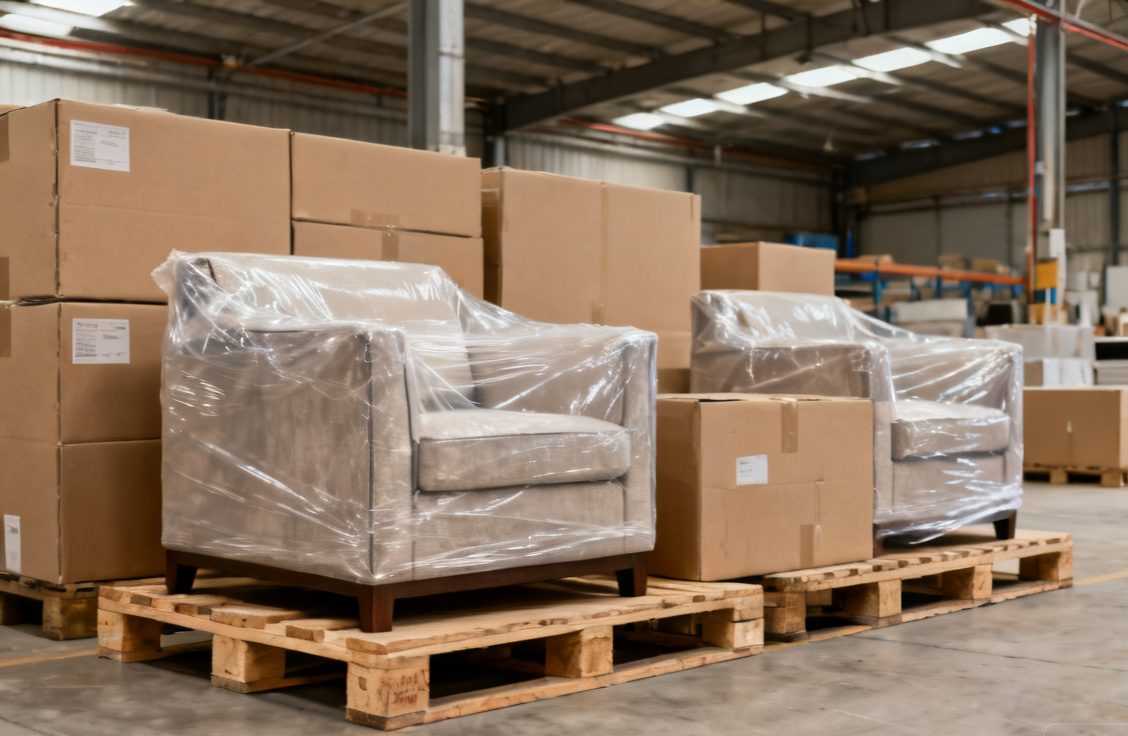
Packaging protects furniture from the factory floor to the hotel room. Small items are individually wrapped and packed into cartons. Larger or fragile pieces may receive reinforced corners, foam protection, or crates. Upholstered pieces are wrapped to prevent dust and moisture. Labels identify the project, room, and item reference for efficient on-site distribution.
Loading follows a pre-agreed plan based on container size and delivery sequence. The factory coordinates with the forwarder and the client’s receiving team to confirm packing lists, shipping marks, and arrival timing. For hotel projects, a clear packing list supports phased installation and reduces time spent locating items on site.
Why a Disciplined Process Matters
A repeatable process protects the design intent and the project schedule. It reduces the chance of mismatched finishes, incorrect dimensions, or unstable frames, and it makes communication easier because every question can be checked against an approved drawing or record.
For project owners, working with a contract furniture workshop means relying on a system that manages detail from approval to delivery. LISNS organises production around hotel and residential project requirements: shop drawings, material confirmation, approved samples, in-process inspection, protective packing, and coordinated logistics. The objective is to deliver loose furniture that arrives as specified and performs as intended.

 ®
®